
Home / Founders / Directory / AI SaaS tooling
AI SaaS Tooling Founders
Profiles of the 282 founders building AI software for business teams, from code review and testing to sales, support and finance, listed A–Z by last name.
282 founders

Abraham turned a weekend parsing demo into the document layer that finance and legal AI products rely on to read tables correctly.

Achchak is building Qevlar so security teams stop burning out on alert queues and start learning from every incident they close.

Adams believes recorded conversations are the most wasted knowledge inside a company, and he rebuilt Grain from scratch to make the useful moments easy to find and share.

Agarwal is applying causal machine learning research to the most stressful job in software: finding the root cause of a production outage.

Agarwal built Portkey as a control plane so production LLM apps can route, govern spend, and observe traffic across providers.

Agrawal wants SaaS teams to ship in-product tours and nudges like a product surface, so features stop dying unread in release notes.

Allred built Lavender so outbound email can sound like one careful person writing to another, scored for clarity before it sends.

Allstadt is building a European meeting notetaker that turns calls into CRM updates and follow-ups, with EU data kept in the EU.

M13's managing partner is steering the firm into identity for AI agents, starting with the Baselayer Series A.

Altman turned an internal fix for his payments company's API docs into Redoc, an open-source renderer used across the industry, and built Redocly around it.

Anisse kept Relume bootstrapped and turned down acquisition offers to build an AI website builder that assembles sites from human-designed components.

Anver wants engineers to stop losing nights to production fires, with an AI agent that investigates and fixes issues before the pager wakes them.

Ardant joined Hexa's studio idea for company payments, co-founded Spendesk to give finance teams cards and controls as simple as consumer banking, and later moved from CEO to president after taking the product to unicorn scale.

Aroomoogan is trying to put a firewall in front of what AI says, so regulated firms stop learning about violations after the message already sent.

Astabatsyan is packaging no-code voice agents for phone workflows so operators can automate reception and support without a voice ML team.

Ballew, a former Army lawyer, grew his first startup Aptible past $25 million in annual recurring revenue, then spun Conveyor out of it to automate the security questionnaires that slow down business software sales.

Bayomi built Openlayer so AI evals feel as clear a developer workflow as shipping a web app.

Belcher is building mabl around an AI testing agent that learns each application over time, so quality checks can keep pace with faster software releases.

Bhagsain wants presentations to start from an idea or document, not a blank slide, inside the editors people already use.

Biewald keeps building tools that make machine-learning experiment tracking and collaboration a shared habit on ML teams.

Blake spent a decade running customer success teams on spreadsheets at Omniture and Adobe, then built the software he wished those teams had.

Braun is building Noma so security teams can see the data pipelines, models, and AI agents that data science teams ship outside the usual software checks.

Brodsky spent years teaching machines to hear audio at Instinctiv and SoundCloud, then co-founded Hyperscience so enterprises could read messy documents with the same kind of machine learning.

Brooks is turning coding agents from a laptop experiment into managed cloud workers that engineering teams can budget, scope, and audit.

Byatnal is rebuilding document processing around language and vision models, aimed at the files that break legacy OCR.

Callaway built Sazabi so production teams can get answers from logs alone, with an AI agent that investigates instead of another dashboard wall.

Cannon is giving research teams interview depth at survey scale, so big decisions rest on hundreds of conversations instead of a handful.
Champion is building Klap so creators can turn long videos into captioned shorts in minutes without assembling a chain of separate editing tools.

Chandrayana is trying to turn infrastructure change itself into something an agent can score and gate before an outage lands.

Chevalier turned a small LinkedIn-to-CRM browser extension into Surfe, a contact enrichment business whose API now supplies data to partners such as HubSpot.

Chou built Ploy so a company website can behave like a growth employee that keeps shipping pages, campaigns, and fixes while the team sleeps.

Chowdhuri is the technical co-founder of Reducto, which parses PDFs and scans into structured data for AI teams, and his record runs from high-school computer vision papers to a public rebuttal of a viral claim that GPT-4 aced MIT.

Christie taught himself to ship software with a Minecraft mod at 13 and later killed a revenue-generating startup to build a better CRM. As Attio's CTO he is betting that a flexible CRM can take on Salesforce and become the data layer for AI agents in sales.

Chuong is building Lago as open-source billing infrastructure so companies can meter AI usage without choosing between a black-box vendor and a homegrown nightmare.

A former Symantec and Blue Coat CEO, he now steers Crosspoint's cyber thesis into AI-native security companies such as MIND.

Clifford left a Stanford linguistics PhD to build voices that sound like real people on real phone calls, and they now handle more than a million requests a day.

Cochran is automating cloud commitment management so FinOps teams stop relying on dashboards that still leave humans to execute savings.

Coyle built MarketMuse so that content teams without data scientists could use the same kind of topic analysis that search engines use to judge whether a page covers its subject.

Crossa wants teams shipping complex agents to build LLM judges that improve from production mistakes instead of freezing brittle offline evals.
d'Halluin is on his second software company. After building a messaging chatbot startup out of Paris-Dauphine's incubator, he now runs Guideflow, a demo platform whose paid plans start at $35 for a single seat.

Dabirsiaghi co-founded Contrast Security and wrote the AntiSamy security library before starting Pixee, which turns findings from existing scanners into fixes developers merge.

Dahal leads the technology behind a platform that now stacks case management and workflows on top of document extraction, from a company with offices in the United States, India, and Nepal.

Dancker co-founded Formbricks, an open-source survey and experience management platform that more than 15,000 teams use and that some organizations run in place of Qualtrics.

Dandamuraju wants production agents to get seconds-lived, least-privilege credentials with parameter-level checks instead of long-lived root keys.

Danilowicz is building Magic Patterns for product teams that need a clickable prototype from a brief or screenshot, not another static mood board.

Davidson is pushing customer success software toward flexible workspaces built on customer data, with AI suggesting the next step while people keep the relationship.

Dearsley built Vapi so voice-agent builders can assemble telephony, models, and monitoring as one platform.

DeNero worked on Google Translate before co-founding Lilt to build AI translation tools that professional translators want to use. He also teaches at UC Berkeley, where he directs the undergraduate data science program and created its largest course.

Dhar is turning Uber-scale service sprawl into Cortex, an internal developer portal where ownership, scorecards, and delivery standards finally live in one place.

Dhinakaran built Arize so teams can see what their models do wrong after launch, not only in pre-production evals.

Dholakia built LiteLLM so teams can call every language model through one OpenAI-compatible interface.

Ding is putting an AI analyst on top of the warehouses companies already pay for, so questions stop waiting in a ticket queue.

Dmytryshyn turned a 2009 hobby project for small-app translation into a localization platform still owned by its founder.

Douablin built FullEnrich after his last startup kept paying for several data vendors to find phone numbers, and the aggregator he made now sells that coverage to other sales teams.

Douetteau has spent a decade pushing the idea that enterprise AI should be a collaborative platform, not a pile of notebooks only data scientists can run.

Dral built Evidently AI so ML monitoring stays open, practical, and usable by working data scientists.

Dwyer is rebuilding user research software so product teams can recruit participants, run studies, and keep findings in one place.

Einy is building Port so engineering orgs get a governed service catalog and self-service portal - the control plane AI coding agents need as much as humans do.

Elias is trying to make data answers checkable again, by wrapping weaker local models in a harness that refuses bad math.

Elprin built research tools for quants at Bridgewater, then co-founded Domino Data Lab to give corporate data science teams one disciplined place to build, ship and govern models. He now runs its product and engineering work.

Elsaid is testing whether an AI support company can win enterprise customers on its own revenue, with a small team and no outside investors.

Elzière founded Fotolia, one of Adobe's key acquisitions, and co-founded the startup studio behind Aircall, Front and Spendesk. folk is the rare studio idea he chose to run himself, as a contact manager for every kind of relationship, not only sales.

Enam helped start Cresta to put real-time AI coaching beside contact-center agents, not only replace them with bots.
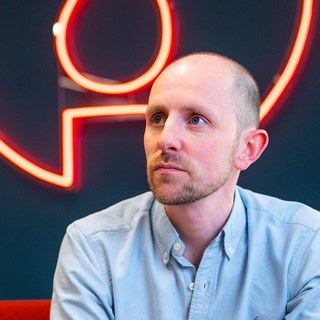
Evans wrote the first version of Monzo's open-source incident tool, Response, in a few evenings. He then co-founded incident.io with two Monzo colleagues to turn the idea into software that runs outages from Slack.

Feldman built Stampli around the invoice itself as the place where AP teams, approvers, and vendors work, and he chose to build every ERP integration in-house.

Fox built AssemblyAI as a living speech-to-text and audio-understanding platform that keeps improving instead of freezing as a fixed model.

Frayman, a serial founder, is building Cast AI to resize cloud infrastructure automatically as applications change, a job he says people cannot keep up with by hand.

Friedman argues AI coding tools should prove code integrity with tests, reviews, and agents that catch real defects.

Gade wants every company running AI in production to be able to answer the question his Facebook team struggled with: why did the model do that?

Galbraith built Depot after years of waiting on slow Docker builds as a staff engineer, and is widening it into a CI system built for code written by agents.

Gill built CodeRabbit to keep code review useful when AI helps developers write far more code than before.

After watching finance teams drown in legacy ERPs, Glasgow is building an AI-native ledger that high-growth companies can close on without NetSuite weight.

Glasgow built Sprig so in-product surveys and AI research agents give PMs answers while the feature is still shipping.

After taking PubMatic public, Goel came back to build Bito around a problem AI coding creates: someone still has to review all the code that agents write.

Gomez helped design Microsoft's identity products before co-founding Inkeep, whose AI agents answer customer and support questions from a company's own documentation and knowledge base.

Goyal is building the evaluation and observability layer AI product teams use to catch regressions before users do.

Granet built Bland AI so phone outreach and support can scale like software when AI agents handle the calls.

Grasso built Beautiful.ai so presentation software designs itself around the content people bring.

Green left Google Translate research to build an enterprise translation company where AI and human linguists share the same workflow.

Grinberg left a string theory PhD to build Droids, coding agents aimed at the migrations and old codebases enterprise engineers dread.

Grover spent five years as an engineering leader at Asana watching pricing changes turn into painful projects, then co-founded Orb to make billing as easy to change as product code. He argues that AI coding tools will not replace billing software, because buyers are paying for hard-won judgment about the domain.

Guduguntla wants sales reps to practice every hard call against an AI buyer first, so the real conversation is not their first try.

Gupta built Greptile so code review can see the whole codebase, including files that never changed in the pull request.

Haber built Lakera to treat prompt injection and model abuse as security problems with productized defenses, not one-off filters.

Hagerup is pushing autonomous finance agents into the most manual corner of the back office: accounts payable.

Haghani has built Circleback into a profitable AI notetaker with about eight people, and he is betting that careful notes and automations can win a field crowded with bigger, better-funded rivals.

Hakami built Wiza after running a cold-email agency that burned time on LinkedIn scraping, Hunter lookups, and separate email validation before every send.

Hamilton spent a decade as an engineer at the payments companies GoCardless and Monzo, where he went looking for incident tools he could buy and found none he liked. He co-founded incident.io to build them and, as CTO, leads its engineering and product work.

Herbert-Voss is building RunSybil so security teams can test their software with an AI hacker as fast as AI tools help their engineers write it.

Hiis and his co-founders got tired of expensive, stagnant feedback tools at a previous startup, so they bootstrapped Featurebase in Tallinn to give product teams a cheaper, faster place to collect ideas and ship changelogs.
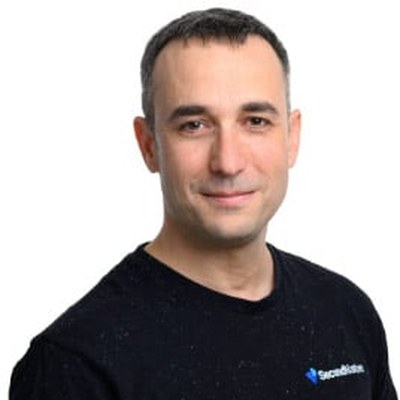
Hitron is trying to close the gap between the pitch marketing writes and what reps say on calls, by making practice with an AI partner a habit.

Hodek believes developers should be able to ship apps in many languages without the pain he faced translating his own, and Localazy now runs localization for hundreds of software teams.

Hollingsworth and his brother ran an executive assistant agency for six or seven years before building Fyxer, an AI assistant for email and meetings. As chief revenue officer he sells it on a simple pitch: an assistant for about a dollar a day.

Hollingsworth turned a decade of executive-assistant ops into an AI inbox product that drafts, sorts, and takes notes.

Huang built Clearscope so content teams can score and improve pages against what search engines already reward, without SEO folklore.

Huang taught himself software engineering while finishing a mechanical engineering degree in three years, then turned down robotics PhD offers to build the gateway and tracing stack behind Respan.

Hum is turning feedback boards into AI that reads sales and support conversations so product teams stop missing what customers already said.

Humphrey wants every product team to treat customer feedback as a searchable warehouse, not a pile of interviews nobody reopens.

Hylak designed interfaces for Apple's Vision Pro before co-founding Raindrop, which watches AI agents in production and shows teams where they quietly fail users.

Ip created DeepEval so engineers can test LLM apps the way they write unit tests, then built Confident AI so whole teams can run those tests together.

He built Radical as an AI-only firm in Toronto, Canada, and was an early backer of Fei-Fei Li's World Labs.

Jacyna runs product at a meeting notetaker that customers praise for the quality of its writing, and he shapes what a team of about eight ships against far larger competitors.

Sarthak Jain is co-founder and chief executive of Nanonets, a company in San Francisco, California, whose AI reads business documents such as invoices and purchase orders and moves the data into a company’s systems. He has worked on commercial machine learning products for about 15 years, according to his Foundry speaker biography.

Jayaprakash is building Blacksmith as AI coding agents push far more code through CI, which makes testing speed and cost a bigger bottleneck for every team.

Kandel is betting that social teams need more than a clipper: Munch turns long videos into scheduled short-form posts so creators stop assembling a stack of editors and calendars.

Kaul started Ottimate inside a restaurant back office, and its line-item invoice reading still reflects that origin as the company sells to hotels, healthcare groups, and accounting firms.

Kausas spotted B2B support moving from email into shared Slack and Teams channels and built Pylon to run support where those customer conversations now happen.

Khanna built Tellius to close the gap between dashboards that only show what happened and machine-learning tools that only data scientists can run, so business teams can ask why a number moved.

Kim is building open-source observability for agents that run for tens of minutes, so teams can find the bad decision and rerun from that step instead of starting over.

Kircos is rebuilding the spreadsheet so analysts can write Python, SQL, and AI-generated code in the same grid their colleagues already know how to read.

Kliger is building Zenity to secure the AI agents and low-code apps that business users now build for themselves, outside any developer pipeline.

Klingen is making LLM tracing and evals an open-source default so teams can own their observability stack.

Koberger has spent more than a decade on one problem, making API documentation interactive, and is now reshaping ReadMe so docs work for AI agents as well as developers.

Not Diamond argues that AI will keep fragmenting across models and that the winner will be the layer that routes each request, and Kofman runs it with backing from IBM, SAP.iO Fund, and executives from Google, Hugging Face, and Datadog.

Kothadiya built Avoma so meeting value spans prep, the call itself, and the follow-up that comes after.

Kredo was Itamar Friedman's first employee as a teenager and is now his co-founder at Qodo. He brings years of selling to large US enterprises to AI tools that test and review code as more of it is written by AI.

Kumar has built a bootstrapped software group from London and India, and Document360 began when his own team could not find a knowledge base flexible enough for its documentation.

Kumaraswamy wants production agent teams to see silent reasoning failures across every customer conversation, then ship and prove the fix.

Laban is building OpsLevel so engineering orgs can see every service they run, who owns it, and whether it meets their standards, as coding agents ship more code than people can track.

Lam has spent three decades betting that engineering teams in Vietnam can build software products sold worldwide, and Katalon is his biggest test of that idea.

Laventure is building Scalar on the idea that one OpenAPI file can give every company docs, SDKs, and MCP servers as good as Stripe's, and Scalar's free, open-source API reference has already put that idea in front of a wide base of developers.

Lee is using LLMs to put bookkeeping context on autopilot for startups and accounting firms that still close the month in spreadsheet hell.

Lee built Shortwave so AI can live inside the open inbox people already use, instead of a closed replacement mail client.

Lee, a Cornell computer science graduate and former Duolingo engineer, co-founded Mintlify with Han Wang and helped steer it through eight pivots before it found documentation. The company now builds docs that serve coding agents and AI tools as well as human readers.

Lee spent hours re-recording product videos at his last startup and built Supademo so teams can show a feature with a clickable demo instead.

Lehoux is showing that a small, self-funded team in Quebec City, Canada, can build a shared inbox thousands of companies pay for, without outside investors.

Lemhandez left McKinsey, learned to code and found every CRM he tried painful, so he co-founded folk, a simple AI CRM that more than 5,000 companies now use.

Leonov helped turn a small email filter into a long-running subscription business on one rule: users should never have to learn anything new to get a quieter inbox.

Li built Respan so teams shipping AI agents can see why those agents fail in production and fix behavior before users feel it.

Li left a partner-track venture career to build the slide tool he wished he had at 2 a.m. in a consulting war room.

Li is trying to give enterprise agents a place to practice on Salesforce-class systems without risking a customer org.

Liriani is one of the few AI founders with a design background, and he is bringing the design-first habits that built Tome to a CRM category known for clunky software.

Lopatecki helped take TubeMogul from a garage to a public company and an Adobe acquisition. At Arize AI he is building observability and evaluation tools so teams can see why models and agents fail once they reach production.

Malachi builds the AI agents that let Terra Security test a company’s applications for exploitable flaws as often as its engineers ship code.

Martens built Tally so beautiful forms stay free and simple enough that teams stop paying Typeform rents for basic intake.

McCabe pushed Intercom's Fin agent to the center of the company so customer experience can be won by AI that resolves work end to end.

McCardel wants data scientists and analysts to share one collaborative workspace instead of scattering work across notebooks and slides.

McLean watched buyers ask to try software during his years as an Oracle solutions engineer, and has built Navattic around that request.

McNicoll wants every release to answer a question against your own warehouse data, not a vendor's black-box metrics.

McPherson is trying to make online forms feel designed and productized so teams stop shipping ugly surveys that still need a second tool for payments.

Medina, who founded sales engagement company Outreach, is building billing for AI agents on the view that agents should be paid for the work they finish, not for seats.

Mee is going after the mainframe problem he could not crack at Pivotal, using AI to rewrite old systems one tested slice at a time.

Mehmood is trying to give coding agents a real cloud home that is isolated, multi-model, and checked, so teams stop bolting them onto one lab's IDE.

Meiners built Peec AI's first version in a day and a half and priced it far below rivals, and the Berlin tool now shows thousands of marketing teams how ChatGPT, Gemini and Perplexity talk about their brands.

Meiring started coding at 11 in Cape Town, turned a loan-contract tool into QorusDocs and moved the company near Microsoft to sell proposal and RFP software. He is now building generative AI into how sales teams write their bids.

Mendels built Comet so ML and LLM teams get experiment tracking and evals in one place.

Mittal is pushing Locofy to sit inside the Figma and frontend stacks teams already use, so agencies get production code instead of another design tool to learn.

An aerospace engineer turned security founder, Monteiro is pairing AI hacking agents with human researchers to test attack surfaces continuously.

De Moor is building XBOW so companies can run pentests as often as they ship code, with an AI that proves every bug it finds.

Morales is building Orb for teams that change pricing as often as their AI products change, so billing stops being a multi-month engineering project.

Motwani is trying to bring the session-taste intelligence behind music recommendations into stores where most shoppers never log in.

Guillaume Moubeche is co-founder and chief executive of lemlist, a sales outreach tool for personalized cold email, and of its parent company, lempire. He is from Paris, France, trained as a chemical engineer, and grew lemlist without venture capital.

Mrkšić builds voice agents that can handle messy, multi-intent phone conversations for real customer-service teams.

Murchison built Ada so support ends when the person's question is answered, not when a ticket is filed.

After eleven products that did not scale, Namburi bootstrapped Smartlead into outbound email infrastructure for agencies and SaaS teams.

Nannt wrote the first code behind Formbricks, the open-source survey platform that organizations self-host when feedback data must stay on their own servers.
Nguyen built Visily for software makers who are not designers, starting with a screenshot-to-design feature that turns an existing app into an editable mockup.
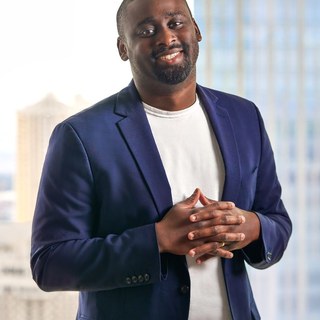
Nicholas started Forethought to make customer support feel invisible, with AI that resolves work in the background so agents handle what matters.

Noel spent a decade proving that product teams, not only engineers, should be able to build in-app onboarding, then moved to Appcues' board after handing the CEO role to a successor in 2025.

Nucci wants company knowledge to find people in the tools they already use, instead of dying in a wiki nobody opens.

O'Donnell built HubSpot's CRM and rose to chief product officer there, and he is now trying to replace that kind of software with Day AI, a CRM that AI agents run.

Oruganti went from pricing Bing ads at Microsoft to building scooter software and a developer platform, and now runs WarpBuild, which sells faster, cheaper GitHub Actions runners as coding agents push more code through CI.

Pachipulusu turned a side project into a site-trained support chatbot product for teams that will not build their own RAG stack.

Pagel helped turn Tiptap into one of the most used open-source editors on the web, and he now brings that open-source playbook to Scalar's API tools.

Jiaqi Pan is co-founder and chief executive of Landbot, a company in Barcelona, Spain, that makes a no-code builder for chatbots and AI agents on websites and WhatsApp. He trained as an engineer and came to Landbot after an earlier company failed.

Peiris walked away from a presentation app with 25 million users, cut his team from 70 to 7, and rebuilt it as an AI-native CRM that a16z then backed with $47 million.

Peled is building Terra Security so companies can pentest after every change, with AI agents doing the testing and human experts signing off.

Jon Perl is co-founder and chief executive of QA Wolf, a company in Seattle, Washington, that writes and maintains automated end-to-end tests for its customers’ web and mobile apps. He grew up in Virginia and came to software by automating a task at his first job.

Sylvain Perron is co-founder and chief executive of Botpress, a Canadian company whose open-source platform lets developers build chatbots and AI agents. He grew up in Dolbeau, a town of about 10,000 people in northern Quebec, taught himself to program as a child, and left university to work as a developer.

Peterson wants engineers to treat cloud cost as part of the code they write, so a company knows what each feature and customer costs before the bill arrives.

Pinchevski is building Finaloop so ecommerce founders get real-time books and inventory numbers without living inside QuickBooks spreadsheets.

Bobby Pinero is co-founder and chief executive of Equals, a spreadsheet that connects to a company’s live data. He grew up in Washington, D.C., and was the eighth employee and later head of finance at Intercom, according to Datacast.

Prot wants Weglot to be the translation layer any website can switch on, so a small online shop can sell in other languages without rebuilding its site.

Puri is building Yoodli so salespeople, partners, and job seekers can rehearse hard conversations with an AI before they have them with a person.

Qi built Motion so calendars and task lists negotiate with each other and people stop manually Tetrising their week.

Quéguiner is betting that speech recognition for the rest of the world's languages needs a European, multilingual approach rather than English-first models.

Racki is building Proposify so service businesses can write, send, and sign proposals in one place, and he speaks openly about what scaling up and cutting back taught him.

Rafalin is betting that AI coding tools will only modernize large enterprise applications once they can see how those applications behave at runtime, and vFunction sells that view.

Raji turned Meta-style experimentation habits into a product teams outside big tech could buy, then took that stack into OpenAI.

Ramineni built Fireflies.ai so every meeting leaves behind notes and decisions people can find later.

Ravhon tried and failed to build cloud cost tracking in-house at Logz.io, then co-founded Finout, which now tracks cloud and AI spend for companies such as Lyft and Wiz.

Rawert studied how the printing press and other new technologies changed economies before co-founding Langfuse, the open-source toolkit teams use to trace, evaluate and improve LLM applications. He opened its San Francisco office and speaks on what economic history can teach about the AI moment.

Raza is trying to make computers conversational face to face, and Tavus raised $40 million from CRV, Sequoia, and others to build the models that make AI humans look and respond like people.

Ream wants conversational AI agents to be designed and owned like products, not rented as black-box chatbots nobody can audit.

Reimer is testing whether a small, craft-focused software company can still win a crowded horizontal market like scheduling against much larger rivals.

Renklint taught himself to code in Sweden, helped build the Wunderlist to-do app and co-founded Pitch as its CTO. Since 2024 he has run the Berlin presentation software company as CEO, after it cut back sharply and set out to grow on its own revenue.

Richelsen runs Cal.com, which closed its commercial code in April 2026 and keeps the personal-use Cal.diy edition open under the MIT license.

Rizwan built the first version of Cline in his mother's garage for an Anthropic hackathon it did not win, and it grew into an open-source coding agent that its website says is trusted by more than 11 million developers.

Rometsch wants feature flags and remote config to stay open-source and self-hostable so teams are not trapped in a closed toggle silo.

Ross built FireHydrant so incident response stops living in spreadsheets and pager glue, and reliability becomes a shared operating craft.

Rostampor wants Planhat to run the whole relationship after a sale, from retention and renewals to expansion, so revenue teams work from one record of each customer.

Sadeddin sold his risk data startup Riskopy to Coupa, ran payments products there, and now leads Corgea, which finds logic flaws in code and writes the fixes developers merge.

Sanglé-Ferrière is building cubic so code review keeps up with the volume of code that AI tools now write.

Santos helped build Boq, Google's internal development platform, and wants every fast-moving software team and coding agent to have that kind of build infrastructure.

Sarkissian led data and growth engineering teams at the French business bank Qonto before co-founding Lago. A Hacker News post he wrote about why billing is a nightmare for engineers helped turn the company into an open-source billing platform used by AI companies such as Mistral.

Sasson is building the layer that lets software companies change pricing, credits, and usage limits without rewriting their product, a problem AI pricing has made urgent for companies such as Miro and Webflow.

Schaechter is building cloud cost tooling for engineering teams that need allocation and waste detection without waiting on a separate FinOps bureaucracy.

Schneider is turning automated refactoring, an idea he started at Netflix, into the way large companies keep billions of lines of code current.

Schneider built Instantly so cold email can scale without deliverability collapsing as companies add more inboxes.

Schneier is building Commenda so a small company can open and run entities abroad with the same compliance tools that only large multinationals could afford before.

Schulman sold his anti-phishing company Segasec to Mimecast in 2020, and he now runs Lasso Security, which watches and blocks risky behavior by AI agents and apps inside large companies.

Sehwail wants product teams to show each user the right help at the right moment inside the app, without waiting on engineers to build every guide.

Seibert is trying to make startup accounting AI-native so books and financials stay current without a month-end archaeology project.

Semerda is betting that invoice and receipt extraction should be a reliable API call, not a custom ML project for every product team.

Senthamil sold his first company, Kinderlime, and is building Storylane into a demo platform where an AI agent answers buyers' questions when no rep is around.

Sestito watched a malware-detection model get fooled at Cylance and built HiddenLayer so companies can spot attacks aimed at the machine learning models themselves.

Shafaat designed the retrieval systems behind Vectara as its chief architect and now runs the company as it sells cited AI agents that large companies can host in their own data centers.

Shah spent his early career on CockroachDB, where flaky, non-deterministic test failures were a constant problem. At Blacksmith he moves CI jobs off the hyperscalers onto bare metal, just as AI coding agents push far more code through testing.

Shah is betting that AI can take over the repetitive alert investigation that is burning out security analysts and that SOAR playbooks never fixed.

Shahabi turned a free internal data-collection side project into Formaloo after watching small companies collect piles of data they could not turn into decisions without hiring a specialist team.

Shankar is building Responsive on the view that a company’s answers to buyers go stale fast, so AI drafting only works when people keep the underlying knowledge current.

Sharma built Vellum so enterprises get one shared place for prompting, evals, and deployment instead of a pile of one-off notebooks.

Sharma built HoneyHive so agent teams get the evaluation and OpenTelemetry observability loop traditional DevOps never had for multi-step LLM systems.

Sharma wants production agent teams alerted on loops, hallucinations, and tool misuse the moment they happen - not after users complain.

Sharma ran data teams at Tesla and Citizen, where he saw models fail in ways uptime checks missed, and now runs Hamming AI, which tests AI voice agents with simulated calls before customers hear them.

Sharma is trying to turn messy support and sales feedback into structured themes product teams can act on without reading every ticket.

Sharp walked away from a working vertical CRM business for investors to build Attio, a general CRM that teams can reshape around their own sales process.

Sheridan is selling Fern so API companies get production SDKs and docs from one spec, instead of staffing a full team to maintain generators like the largest tech companies do.

Sherman sold his retail ad company PromoteIQ to Microsoft in 2019, and he now runs Bluefish, which helps large brands track and shape how AI assistants describe them.

Sheth took a 2018 consulting job on reading bank documents and built it into a document AI company that lenders, insurers, and finance teams use, and he leads its sales, marketing, and investor relations.

Shinde wants startup finance ops to combine AI bookkeeping with human operators so founders are not forced to hire a full accounting team on day one.

Shu answered RFPs late into the night at Scale AI, and Arphie is his attempt to let AI agents draft those answers from a company's live documents.

Sinha wants agent builders to see full decision paths and failure modes in minutes instead of drowning in logs.

He runs Crosspoint's early-stage cyber practice, and he is the partner who has spoken for the firm's bet on MIND.

Sivulka is building AI for the document-heavy work of finance and law, where answers have to cite the underlying files.

Slack wants every developer to search, understand, and eventually automate work across large messy codebases.

Smith wants process knowledge to capture itself, so onboarding and AI agents stop depending on blank-page SOPs.

Sonwalkar built Julius so people can ask a spreadsheet a question in plain English and get a chart or a variance note back.

Spencer-Harper watched Dropbox engineers test the same workflows by hand every week and built Meticulous to replay real user sessions as front-end tests, so developers get wide coverage without writing or fixing tests.

Staniszewski built ElevenLabs so synthetic voices sound close enough to people that creators use them without embarrassment.

Stefanovic wants public feedback boards to stay simple enough that a product team can launch one in an afternoon without buying a full suite.

Stempeck joined The Trade Desk as its eighth employee and helped take it public, and he now runs Evertune, which samples each prompt 100 times to measure how AI models present a brand.

Stephenson built Deepgram so speech recognition is a basic building block other products can rely on, the way they rely on cloud storage.

Stevens-Smith has spent more than a decade on one problem: making software QA fast enough that teams stop treating it as a bottleneck.

Østhus is trying to make FeatureOps the control plane for AI-era releases so teams can ship and kill changes without redeploying.

Suski is pushing SEO tooling past keyword lists into content systems that help teams win visibility in both classic search and AI answers.

Tang wants incident response to live where teams already work in Slack, so outages stop becoming a dozen-tool scramble.

Tannor argues ML and LLM systems need continuous validation the way software needs tests.

Tarko left Google to build the software behind Commenda, which aims to let companies that could never afford a fully managed compliance service open and run legal entities in 74 countries.

Tedaldi is unifying calendars and task lists so people stop planning their day across five apps that never talk to each other.

Tevet is building Intezer so security teams can have every alert investigated, down to the code behind it, without adding analysts.

Thompson led design on Jira at Atlassian and co-founded Iteratively, which Amplitude acquired, before starting Clarify, a CRM that fills itself in from email, calendar, and calls.

Toner pairs investment-banking commercial judgment with his brother's quantum-physics research to make document AI earn its place in production workflows.

Torre built Helicone so AI engineers could see and route production LLM traffic without inventing their own gateway.

Truong is making bank data migrations something business analysts can run, and making the logic buried in mainframe code explainable.

Tsang believes the future of customer growth will run on AI agents that handle the follow-through, leaving people free to build trust with customers, and ChurnZero's new Kit assistant is his bet on that idea.

Tuite is turning Roadie from hosted Backstage into a live map of services and owners that AI coding and operations agents can query before they act.

Tung brings a research career in machine learning for communication systems to Not Diamond, where he leads the technology that routes each request to the best AI model.

Upadhyay built Silmaril to stop prompt-injection attacks by judging whether an agent action is about to do harm, not by matching bad-looking prompts.

Ustinov turned the translation tool he built for his own roaming app into Lokalise, a localization system designed around the context developers need when an interface is translated.

Valentine sold his trading-data startup MEVlink to bloXroute in 2023 and now runs ZeroPath, whose AI scanner has found bugs in curl and other widely used open-source projects.

Valenzuela built Runway so generative video belongs in the same creative process editors use for films and ads.

Verkooij ran product for Adyen's in-house billing engine and now sells that kind of system to companies whose pricing mixes seats, usage, and custom contracts.

Victoroff and his co-founders bet that the hardest enterprise data lives in contracts and claims, not neat forms, and they built Indico Data so companies can turn that unstructured pile into decisions.

Vidyarthi spent years selling oil, cement and building materials across India before co-founding Prodoc AI. Its AI agents now coordinate appointments and follow-ups for more than 100 hospitals without replacing their existing systems.

Vohra treats email as a product design problem: speed, keyboard craft, and now AI that keeps humans in control of the inbox.

Wang is building Mintlify so developer-tool companies can ship docs that convert users, with an AI assistant on top of a Git-backed workflow.

Webster turned the testing he needed to ship Discord’s Clyde chatbot into Promptfoo, an open-source tool that lets developers attack their own AI apps and agents before release.

Weiss spent a decade pioneering AI code assistants for enterprises that need privacy and context, not just another autocomplete demo.

White built Fathom so every meeting leaves clear notes people open afterward.

Whitworth built incident.io so chaotic outages become a shared Slack-native craft on-call engineers can run without bolting six tools together.

Whyte is expanding forms into the full intake stack (payments, scheduling, workflows) so teams stop duct-taping five tools to one form.

Wickett spent years building the DevSecOps community in Austin, from Signal Sciences to the Lonestar Application Security Conference, and now runs DryRun Security, which reviews every pull request with AI agents.

Widawski wants product research to move as fast as shipping, so teams stop guessing after the prototype is already live.

Wigdahl built Speechmatics so speech recognition works across languages and noisy real-world audio as infrastructure others can call.

Williams is applying generative AI to one narrow job, writing bids and proposals, where a customer either wins the contract or does not.

Wolf spent 17 years in cybersecurity watching companies buy customers they then ignored, and he built Custify so SaaS teams can see product usage and act before those customers leave.

Wu built Retell AI so phone AI responds fast enough that a call still feels like talking to someone.

Wu is building AI analysts that investigate every security alert, after years of watching security teams drown in detections they had no time to work through.

Wu built Momentic so teams can write end-to-end tests in plain language and keep them current with agents.

Xu built HeyGen so companies can turn a script into a talking-head video without booking a studio and a full crew.

Yan worked on Google Search and at DeepMind before starting AthenaHQ, which tracks brand mentions across 11 AI models and suggests content changes to improve them.

Yildiz is pushing European-built alerting toward AI-assisted incident response without making teams rent a US-only stack.

Zakharov is trying to retire the week-long wait behind "book a demo," with an agent that can walk the product and qualify on the spot.

Zammit wants voice-agent teams to simulate real calls, score audio-native quality, and turn every failure into a repeatable test.

Zandan is building Quantified so pharma and medical device reps can practice conversations with AI doctors and stay on label before they meet real ones.
Zhang built Vizard so beginners could edit video by editing a transcript, and the tool now competes for creators who want low-cost short clips from long talks.

Zhang wants agent teams to catch silent semantic failures in live traffic and close the loop with prompt fixes that land as pull requests.

Zhao turned a side feature of a failed live-streaming tool into OpusClip, one of the most widely used AI clipping tools for creators and brands.
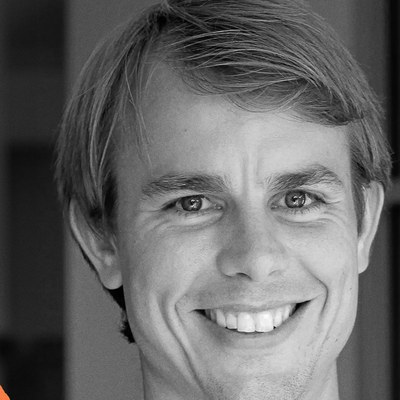
Colin Zima is co-founder and chief executive of Omni, a business intelligence platform where people ask questions of their company’s data and get answers backed by a shared semantic layer. Before Omni he spent years at Looker, the analytics company Google bought for $2.6 billion, where he was chief analytics officer and vice president of product.

Zitoun built Submagic into an AI captioning tool with about $8 million in annual recurring revenue and 13 staff without outside funding, a rare case of a bootstrapped AI app growing that fast.

Zoneraich built PromptLayer so prompt and agent workflows have a system non-engineers can own alongside developers.
No founders match that search.