
Founders Directory
Profiles of 511 AI founders and investors, grouped by the part of the AI market they work in and listed A–Z by last name. For our editors' picks of the AI founders making the biggest impact, see AI Founders to Watch. View the Index.
511 founders
Agents & orchestration69 founders

Aitken made two iPad apps that won Apple's iPad App of the Year before co-founding Trigger.dev, an open-source platform that runs long background jobs and AI agents written in TypeScript.

Allam co-founded and ran engineering at Code School, an early learn-to-code site, and now leads engineering at Trigger.dev. His team rewrote that open-source background jobs platform twice before it found steady growth.

Arendtsz watched companies drown in disconnected SaaS apps after years inside NetSuite, then rebuilt Celigo so business teams could wire those apps together without waiting on a specialist for every flow.

Bearden has spent two decades turning open-source software shifts into enterprise companies, and at Sema4.ai he is trying to move large companies out of AI pilot projects and into agents that do production work.

Bedi spent more than 15 years building data and machine learning systems at companies like Airbnb and Facebook, then built Agno, an open-source Python framework for AI agents with more than 40,000 GitHub stars.
Behal left Amazon after deciding big tech moved too slowly, then joined Max Brodeur-Urbas after the two presented side by side at an AI event in Vancouver, Canada. As Gumloop's CTO he builds the software that lets nontechnical teams create their own AI agents and automations.

Bhagwat is trying to make TypeScript the default place developers ship agents, with the same docs seriousness the Gatsby team brought to the web.
Brodeur-Urbas started Gumloop as a side project in a Vancouver bedroom and turned it into an AI agent builder that employees at Shopify, Ramp, and Instacart use without engineers.

Bryk is building Exa to be the search engine AI agents use, ranking the web by meaning so an agent gets the right pages from one plain-language query.

Burazin has worked on cloud development tools since co-founding Codeanywhere in 2009, and Daytona turns that experience into fast, stateful sandboxes for AI agents.

Chalef built Zep after open-sourcing a tool to summarize chatbot conversations, and its Graphiti framework for temporal knowledge graphs now has more than 30,000 GitHub stars.

Chase built LangChain so building software with language models feels as ordinary as building with any other library.

Cherkasov wants agents to inherit a company knowledge graph so ops teams can route work between people and AI without rebuilding context every time.

Ciarla leads growth at Firecrawl, the open-source API that turns web pages into clean data for AI apps, and he writes out the reasoning behind the company’s biggest turns, from closing Mendable to paying Wikipedia for access.

Ding wants B2B teams to ship customer integrations through one unified API instead of burning engineers on each vendor connector.

Farrelly taught himself to code after starting in civil engineering, rose to CTO of Buffer and then co-founded Inngest. Its software lets developers write reliable background jobs and AI agent workflows as ordinary code.

Fateev built Temporal so long business processes in software survive crashes and retries the way a careful person picks up where they left off.

Foo spent four years on an email app few would pay for, then made Paragon customers pay before any code existed, and Paragon now runs the integrations behind AI products such as You.com and Copy.ai.

Since 2011 Foster has built Zapier on the belief that people who do not write code should be able to connect their apps and automate their own work, and he now runs it as a company where every new hire is expected to work fluently with AI.

Freund taught himself to program as a boy in Berlin and co-founded Camunda as a small process consultancy in 2008. He turned it into a software company whose workflow engine banks, insurers and manufacturers use to run their business processes, and now their AI agents.

Ganatra watched nearly half a startup's engineers get stuck on integrations, and built Composio so AI agents can connect to more than 1,500 apps through one platform.

Garcia is building the low-level systems that let Kernel start cloud browsers for AI agents in milliseconds and keep them parked cheaply for days.

Guldener grew a Zurich fleet software company to more than 1,000 customers, then started Nango after seeing how hard product integrations were to build, and it now runs integrations for Replit, Mercor, and Ramp.

Holdstock-Brown built Inngest so product engineers can ship reliable AI workflows as ordinary code, without babysitting queues.

Hubert argues companies should run AI agents on their own private data and tools, under their own access rules.

Jue is building Kernel so AI agents can open a real browser in milliseconds and work on the large share of the web that has no API.

Jukić came up with Codeanywhere, one of the first cloud code editors, because he did not want to carry his laptop everywhere as a freelance developer. As Daytona's CTO he is turning 15 years of cloud development work into sandboxes where AI agents run code.

Klein is building Browserbase so AI agents can use websites the way people do, on cloud browsers that developers do not have to run themselves.

Koneru had already taken companies through NASDAQ listings and a mobile-platform sale when he founded Kore.ai in 2014 to put conversational AI in front of enterprise customers and employees before the category had a name.
Kumar is trying to give a two-person business the operating leverage of a much larger team, from first site to paying customers.

Liu built LlamaIndex so language models can answer questions from a company's own private files, not only the public web.

Lowin builds orchestration for data and AI workflows that fail in production when someone's cron job silently stops.

Markovic left more than a decade of data engineering to study cognitive science and clinical psychology, and his open-source memory engine applies that research to how AI agents store and recall what they learn.

An Elevation AI partner who looks for enterprise agents with paying customers, as he did when he led Dextr's first institutional round.

Mizrahi is building Linkup to give AI products accurate, cheap web search, with an eye on paying the publishers whose content agents read.

Mlejnsky and his high school friend Tomas turned a developer tools side project into E2B, which runs isolated cloud machines for AI agents and reports more than 2 billion sandboxes started.

Moura built CrewAI so AI work can run as teams of agents with clear roles, not one giant agent acting alone.

Müller built the first version of Browser Use in days with his co-founder at ETH Zurich, and the open-source project became one of the most popular tools for letting AI agents use websites.

Mulyar is rebuilding Nomic around the drawings, specifications, and submittals that engineers still check by hand, after the open-source AI tools that made the company known were absorbed by the large model makers.

Oberhauser built n8n so anyone can wire tools and AI steps into open workflows they host and change themselves.

Packer co-created MemGPT as a Berkeley Ph.D. student, an early system for giving AI agents long-term memory, and now runs Letta, which turns that research into open-source tools for agents that learn.

Partee came to AI through supercomputing, building tools that linked machine learning to climate simulations before leading applied AI at Redis. At Arcade.dev he works on a problem most agent builders hit quickly: letting an agent act for a real user with real permissions.

Pawar is trying to make warehouse robots and human crews share one work brain, so mixed floors stop running as disconnected fleets.

Peffer bet his company on Firecrawl because every AI team needs clean web data and kept rebuilding the same broken scrapers.
AI infrastructure27 founders
Almeida is training AI models whose answers go to software, each with a confidence score that tells the program when to act on its own and when to hand the case to a person.

Balaban has spent more than a decade turning deep-learning workstations into a full AI cloud for teams that want GPUs without hyperscaler lock-in.
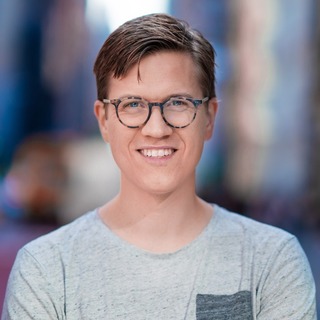
Bernhardsson built Modal so developers can run GPU jobs in the cloud without first becoming infrastructure specialists.

Cannell argued years before the deep learning boom that intelligence comes down to compute, and he co-founded Vast.ai to rent out the world's idle GPUs so that control of AI computing power stays spread across many hands.

Chun built FriendliAI as an inference runtime that makes serving models cheaper and faster without selling a GPU cloud.

Ding is the systems co-founder turning multi-cloud GPU supply into one API and console that AI teams can operate day to day.

Eriksen started Asetek in Aalborg, Denmark, in 1997 with a compressor-cooled CPU chiller and went on to build the sealed all-in-one liquid cooler, selling more than 10 million of them. He still runs the company, which now sells its cooling know-how to AI data centers under a new Chinese owner.

Firshman built Replicate so open-source machine learning models are as easy to run as ordinary software containers.

Goode is building Shadeform so AI teams can run GPU workloads across many clouds from one control plane instead of juggling separate provider accounts.

Hawkins already built and sold a British network and data center company, and at CUDO he is betting that enterprises want AI clusters delivered with power, sites and round-the-clock operations already arranged.

Horton is betting that a GPU cloud built only on AMD chips can give AI companies a second large source of computing power beside Nvidia.

Intrator turned a crypto-era GPU fleet into a purpose-built AI cloud that now sits under many of the largest training and inference workloads.

As a graduate student Jo led the build of what he calls Korea's first GPU supercomputer, made from gaming cards, and at Moreh he is writing the software that lets AI models train and run on AMD, Tenstorrent and other accelerators.
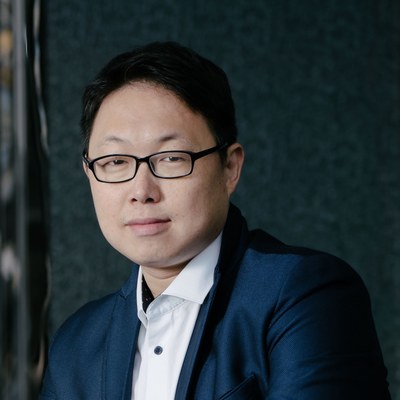
Liu has argued for a decade that AI inference belongs on local chips in cars, PCs and factories, and Kneron designs the neural processors to run it there.

Louis is building the GPU infrastructure he wished he had at his last startup, so small teams can ship real-time voice and video AI.

Lu built RunPod so builders can get on-demand GPUs without first learning hyperscaler complexity.

Del Maffeo is trying to build a European chip company that sells AI processors for devices worldwide and stays independent long enough to go public.

Mai is trying to make humanoid hardware feel more like Android: modular bodies developers can ship, while others compete on the brain.

Mernit is building an open-source, self-hostable alternative for running AI workloads on GPUs without managing servers.

Pope ran data centers from his teenage bedroom onward and co-founded Submer on the bet that GPU-dense racks would outgrow air cooling, a bet now carrying the company into liquid-cooled AI data centers of its own.

Prakash built Together AI so GPU access and open models are as practical for builders as proprietary APIs have been for years.
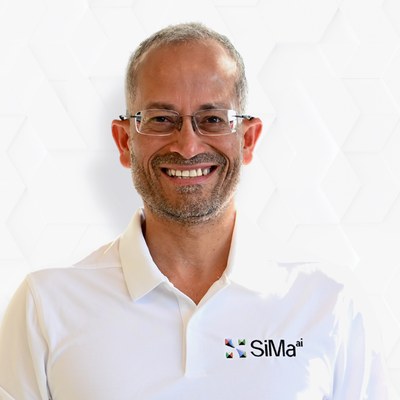
Rangasayee spent two decades watching machine learning advance in the cloud while embedded devices lagged, and built SiMa.ai to bring it to robots, drones and cars.

Ross took the lessons from Google's first TPU into a company aimed at making language-model inference radically faster and cheaper.

Sheth started d-Matrix in 2019 on the bet that running AI models would become a bigger computing job than training them, and built chips for that work.

Starkey co-founded NexGen Cloud to sell European-owned GPU capacity, and Hyperstack is the self-serve face of that bet for teams that want on-demand training and inference without a U.S.-only cloud.
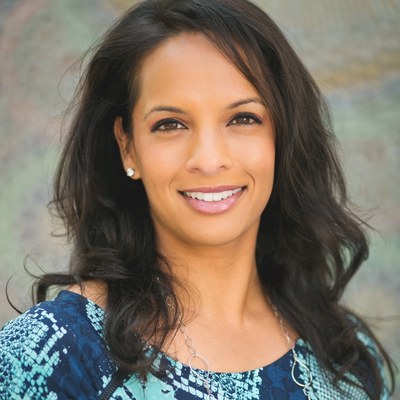
She wrote one of the earliest institutional checks into Groq, then left Khosla to run Axiom as a solo GP making the same early, contrarian AI bets.

Volozh is rebuilding an international AI cloud from the non-Russian remains of Yandex, staking Nebius on large-scale GPU infrastructure.
AI SaaS tooling279 founders

Abraham turned a weekend parsing demo into the document layer that finance and legal AI products rely on to read tables correctly.

Achchak is building Qevlar so security teams stop burning out on alert queues and start learning from every incident they close.

Adams believes recorded conversations are the most wasted knowledge inside a company, and he rebuilt Grain from scratch to make the useful moments easy to find and share.

Agarwal is applying causal machine learning research to the most stressful job in software: finding the root cause of a production outage.

Agarwal built Portkey as a control plane so production LLM apps can route, govern spend, and observe traffic across providers.

Agrawal wants SaaS teams to ship in-product tours and nudges like a product surface, so features stop dying unread in release notes.

Allred built Lavender so outbound email can sound like one careful person writing to another, scored for clarity before it sends.

Allstadt is building a European meeting notetaker that turns calls into CRM updates and follow-ups, with EU data kept in the EU.

M13's managing partner is steering the firm into identity for AI agents, starting with the Baselayer Series A.

Altman turned an internal fix for his payments company's API docs into Redoc, an open-source renderer used across the industry, and built Redocly around it.

Anisse kept Relume bootstrapped and turned down acquisition offers to build an AI website builder that assembles sites from human-designed components.
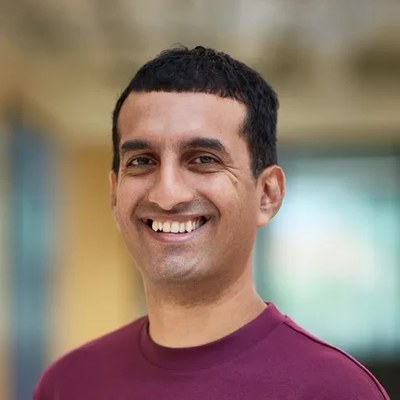
Anver wants engineers to stop losing nights to production fires, with an AI agent that investigates and fixes issues before the pager wakes them.
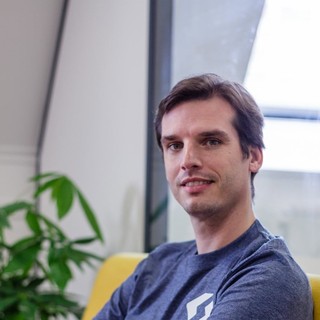
Ardant joined Hexa's studio idea for company payments, co-founded Spendesk to give finance teams cards and controls as simple as consumer banking, and later moved from CEO to president after taking the product to unicorn scale.

Aroomoogan is trying to put a firewall in front of what AI says, so regulated firms stop learning about violations after the message already sent.

Astabatsyan is packaging no-code voice agents for phone workflows so operators can automate reception and support without a voice ML team.

Ballew, a former Army lawyer, grew his first startup Aptible past $25 million in annual recurring revenue, then spun Conveyor out of it to automate the security questionnaires that slow down business software sales.
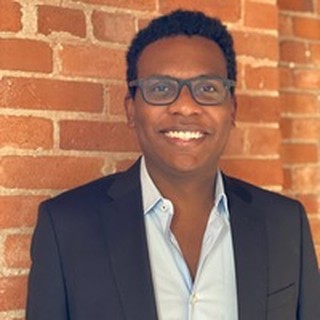
Bayomi built Openlayer so AI evals feel as clear a developer workflow as shipping a web app.

Belcher is building mabl around an AI testing agent that learns each application over time, so quality checks can keep pace with faster software releases.

Bhagsain wants presentations to start from an idea or document, not a blank slide, inside the editors people already use.
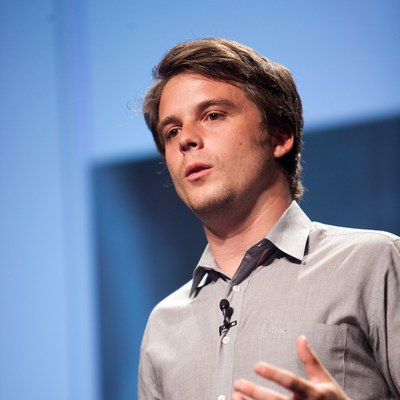
Biewald keeps building tools that make machine-learning experiment tracking and collaboration a shared habit on ML teams.

Blake spent a decade running customer success teams on spreadsheets at Omniture and Adobe, then built the software he wished those teams had.

Braun is building Noma so security teams can see the data pipelines, models, and AI agents that data science teams ship outside the usual software checks.

Brodsky spent years teaching machines to hear audio at Instinctiv and SoundCloud, then co-founded Hyperscience so enterprises could read messy documents with the same kind of machine learning.

Brooks is turning coding agents from a laptop experiment into managed cloud workers that engineering teams can budget, scope, and audit.

Byatnal is rebuilding document processing around language and vision models, aimed at the files that break legacy OCR.

Callaway built Sazabi so production teams can get answers from logs alone, with an AI agent that investigates instead of another dashboard wall.

Cannon is giving research teams interview depth at survey scale, so big decisions rest on hundreds of conversations instead of a handful.
Agencies & professional services18 founders

Bailyn is on the cutting edge of AI Search, having evolved his specialty from SEO to GEO to Agentic Search Optimization over a 23 year career.

Barnard built Kalicube to help brands teach Google and AI systems who they are so those systems describe and recommend them correctly.

Bhowmick started Tredence in a Bangalore flat to close the gap between analytics insight and business results, and he is now pushing the firm toward pricing tied to outcomes as AI changes how services are sold.

Bosshart built large data systems for a decade, including Hadoop storage work at Cloudera, before taking over phData, the Minneapolis data engineering firm he first backed as an investor. He has since steered it toward putting AI into production on Snowflake.

Elder turned years of investment and defense modeling into Elder Research, a consultancy known for getting analytics into production, and his Target Shuffling method for checking whether a data mining result is real still shapes how its teams test models.

Habib built Writer so large companies can draft with AI without giving up brand voice or internal policies.
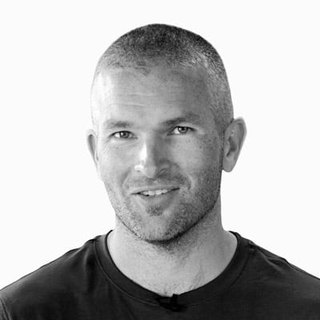
Hudgens grew a one-person consultancy into an agency of more than 120 people by betting that content people want to read and cite holds up when search engines change their rules.

King came to search from eight years as a touring rapper and now argues that SEO teams should study how search engines retrieve information before they guess at ranking tricks.

McGee founded Focus Digital in Greensboro, North Carolina, to sell expert search marketing to small businesses at prices they can afford. He still works on every client campaign himself.

Nelson built Tribe AI so companies can become AI-native by borrowing elite builders instead of standing up a full-time lab first.

O'Meara left enterprise software sales in Britain to start Logic20/20 in Seattle in 2005. He has grown it into a national consulting firm that helps utilities, financial services companies and other regulated industries plan and deliver data and AI work.
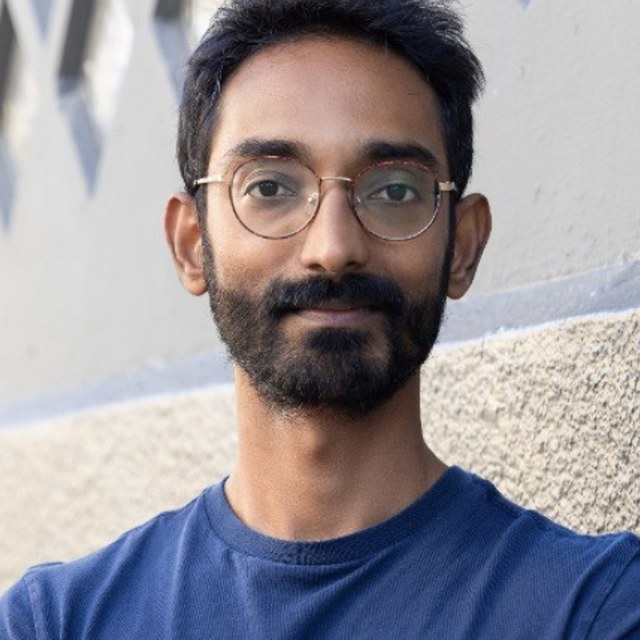
Prakash built Distyl AI to get Fortune 500 AI work into production instead of leaving it stuck in pilots.

Pushkarev runs Provectus, an AI systems integrator that builds and operates production AI and data systems for enterprises in financial services, healthcare and life sciences.

She is the Spark growth partner who led Anthropic's Series C, after growing up in Tehran and working on Snap's monetization.
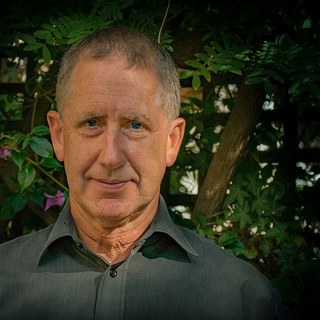
Shoham brings decades of academic AI and prior exits to AI21's bet that enterprises need controllable, domain-ready language systems.

Viswanathan founded LatentView in 2006 around a simple obsession with what numbers can do for operators, then grew it from a Chennai analytics shop into a publicly traded AI and analytics consultancy.

Wang built Exa so AI apps get a search API built for embeddings and agents.

Zhou co-founded Lamini, an enterprise fine-tuning startup, and is now VP of AI at AMD.
Data & labeling25 founders

Bakouk is building Sifflet so data engineers and the people who use their dashboards see the same alert, lineage, and context when a number breaks.

Coe is trying to make sensitive production data safe for developers to use, so engineering teams can build and test software without waiting on access to the real thing.

Dilocker rewrote Weaviate's prototype in Go and bet on the HNSW algorithm while it was still a niche paper, so the open-source vector database was ready when ChatGPT and RAG arrived. As CTO he is also an outspoken user of AI coding agents.

Eskildsen built turbopuffer after doing the math on what vector search cost, and set out to make search over every byte affordable.

Handy turned an analytics-consultancy workflow into dbt, the default way many teams transform warehouse data as code.
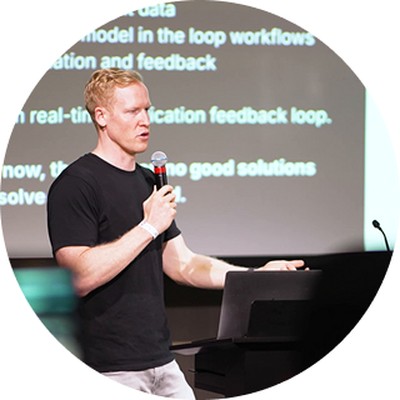
Hansen is pushing multimodal AI teams to treat data curation and annotation as core infrastructure, not a spreadsheet side job.
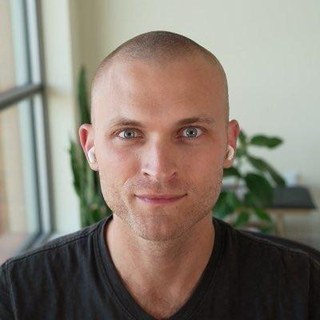
Huber spent years taking machine learning from demo to production at Standard Cyborg, and he now runs Chroma, the open-source database many developers use to give AI apps search over their own data.

Kannappan is turning Patronus AI's research on how AI agents fail into training tasks and simulated software environments that AI labs use to train agents.

Kirwan turned Uber-scale experimentation pain into Bigeye, a data observability and AI trust platform for enterprises that cannot afford silent pipeline failures.
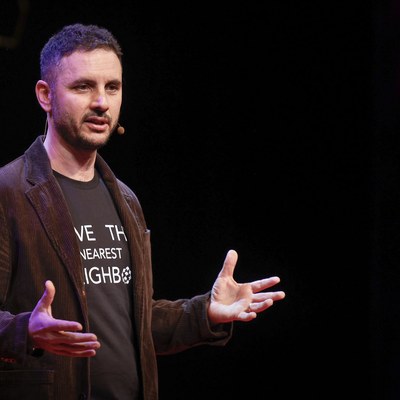
Liberty built Pinecone so long-term memory for AI is infrastructure product teams can buy, not rebuild as research.

van Luijt built Weaviate so search over meaning stays open infrastructure teams can run themselves.

Masschelein is building Soda to catch bad data where it is produced, with checks and data contracts written by the engineers who own the pipelines.

Petrosyan is building SuperAnnotate around the expert human judgment that AI labs and enterprises need to label data and grade model answers.

Ramdas is trying to shrink the years between a promising semiconductor material and something a fab will put on a line.

Raymond is focused on the unglamorous bottleneck before retrieval: turning messy enterprise files into model-ready data.

Rotem spent years migrating huge telecom billing systems before co-founding K2view, and his idea that company data should be organized around each customer or other business entity runs through its Data Product Platform.

Segal wants data teams to run ingestion, reverse ETL, observability and cataloging in one system, so people asking AI tools questions can trust the data underneath.

Sharma built labeling software so computer-vision teams can train models without reinventing annotation infrastructure every time.

One of the original pandas authors is now building the data layer for images, video, and embeddings that tabular tools were never designed for.

Shmukler is bringing product-and-growth instincts from LinkedIn, Wealthfront, and Instacart to Anomalo's bet that AI can catch unknown data bugs before dashboards lie.

Tricot wants data integration pipelines to become a commodity teams can extend, instead of a one-off project for every SaaS source.

Vasnetsov built Qdrant because existing vector libraries were not enough for production similarity search at scale.

Wang built Scale around the idea that frontier AI is gated by high-quality data and evaluation, not just bigger models.

Xie built Zilliz and open-sourced Milvus to make vector search a first-class database category for AI applications.

Zayarni started Qdrant in 2021 with Andrey Vasnetsov after existing vector libraries could not power an HR matching product they were building. He keeps the open-source engine free of paid features and sells a managed cloud instead.
Talent, learning & services markets19 founders
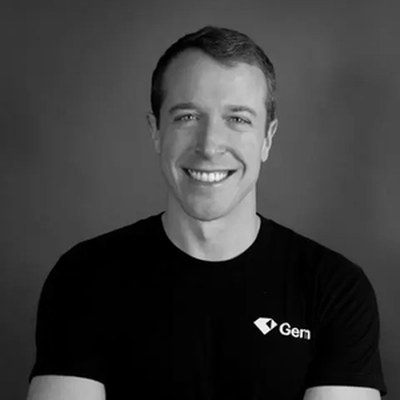
Bartel is trying to make outbound recruiting CRM and AI sourcing a first-class system so talent teams stop hunting candidates in spreadsheets.

Campbell left a path toward novel-writing for enterprise sales, then founded Tropic after watching startups and Fortune 500 buyers alike overpay for software they could not track.

Carollo keeps rebuilding Dover around how startups hire - first as recruiting ops software, now as a marketplace for fractional recruiters with a free ATS.

Cole co-founded Cowen Partners in 2017 to fill executive jobs faster than the industry's 52-day average. He now leads C-suite searches and writes about why boards struggle to find, and even define, the AI executives they want.

Encz is betting that recruiting teams want one system with analytics built in, in place of the separate tracking, scheduling, and sourcing tools most of them still stitch together.

Farmer co-founded Harnham in 2006 to recruit only for data and analytics jobs. As CEO he has carried it from SAS analyst searches to machine learning and AI hiring, with 15,000 placements across Harnham and its Rockborne training business.

Fetter rebuilt executive search as matchmaking for digital leaders, including Indigo, her invite-only C-suite network.

Fichet is building AI recruiting software from Bangkok, Thailand, so agencies and HR teams can match and move candidates without enterprise ATS bloat.

Ghahramani is building Ribbon so every applicant, including the ones who apply at midnight, gets a real interview the moment they apply.
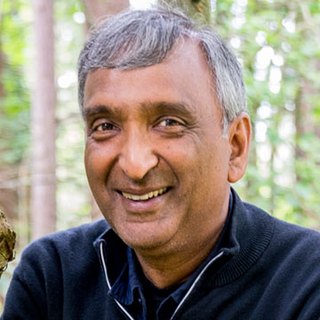
Gupta left an 18-year Microsoft career, including a stint as Bill Gates's technology assistant, to build talent search that finds hard-to-find and underrepresented technical people.

Ul Haq is betting that developers learn fastest by writing code inside the lesson itself, and that machines will soon tailor that practice to each learner.

Hyman is building Sapia.ai so frontline employers can interview every applicant fairly by chat, at the volume of a seasonal hiring rush.

Khim learned to program to help her family through hard times, and she now runs Brilliant, whose AI tutor, Koji, is built to guide learners through math and coding problems without handing them the answer.

Ryan Neu is co-founder and chief executive of Vendr, a company in Boston, Massachusetts, that helps businesses buy software at fair prices using data from thousands of past purchases. He spent his career in software sales before starting the company in 2018.

Ouzan watched gig platforms stall at simple tasks while FAANG alumni wanted autonomy, so he built A.Team to assemble whole product squads for company missions instead of filling single job reqs.

Ragavan is building HeyMilo so staffing firms and high-volume employers can screen every applicant fairly and send recruiters only the people worth their time.

Theuwissen left a corporate job at Coca-Cola within a year to co-found DataCamp, the online school that teaches data and AI skills by having learners write code in the browser. He has run its marketing, sales, product and content teams and served as its CEO before becoming chief operating officer.

After selling two cybersecurity companies into Cisco and Jamf, Tuvey turned the pain of buying software as a vendor and a customer into Vertice, a platform that negotiates SaaS and cloud spend with pricing data buyers rarely see.
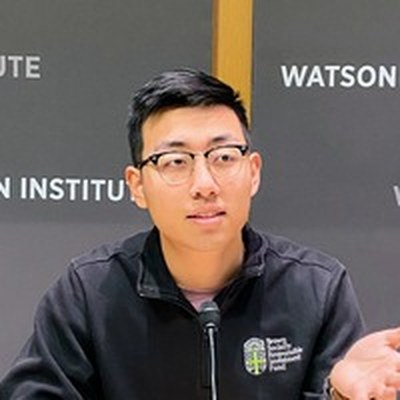
Wang is building Alex so recruiters can have a real first conversation with every applicant, by phone or video, instead of judging them by a resume.
Trust, legal & compliance42 founders

Ahilan runs research at Solve Intelligence, the AI patent-drafting company, and his writing argues that the interface, citations, and attorney control around a model decide whether patent software is useful.

Ahmed spent years building AI voice cloning at Resemble AI and turned what he learned about how synthetic speech is made into a detector for deepfake audio, video and images, including inside live calls.

Arvela is building IPRally so patent searchers can find prior art by meaning, using graphs of how inventions work instead of keyword strings.

Bijapur built SpotDraft so contract work can feel as automated as the rest of modern software for legal and ops teams.

Block built Stilta to give patent litigators agent swarms that search prior art at machine scale while every claim still cites a source.

Bouchard is trying to give every online platform the kind of trust and safety tools that only the largest tech companies could once afford, a goal that new rules such as the EU Digital Services Act have made urgent.

Brook wants privacy and AI rules written into the systems that handle data, so companies enforce them automatically instead of tracking them in policy documents.

Carroll left intelligence-community data fusion work with a hard lesson: sharing sensitive data safely was slower than collecting it, so he built Immuta to automate cloud data access without handing analysts a free-for-all.

Cavalli co-founded Sensity AI in 2018 on the bet that deepfakes would become a real emergency once anyone could make them with a prompt. He says many of the generative startups that told him in 2019 that detection was doomed have since shut down or pivoted into detection themselves.

Chau arrived in California from Belgium at 17 without English, graduated from Berkeley with a 4.0, spent years as a venture capitalist, and now runs Paxton, an AI legal research and drafting tool built for small and mid-sized firms.

Choudhury turned stalled SOC 2 sales calls into Scrut, a mid-market compliance automation platform that collects evidence across many frameworks at once.

Christiaens co-founded Collibra out of a Brussels university lab and has since run its operations, then its technology, and now its own data office. He spends much of his time explaining to customers and partners how to treat data as an asset the whole company shares.

Colman saw voice authentication systems mistake computer-generated voices for real ones while at Goldman Sachs, and he now runs Reality Defender, which detects deepfakes on live calls and meetings.

Dambrot saw KPMG’s largest clients deploying AI systems that nobody was securing, and built Cranium to find those systems and protect them.

Doble left law firm practice after less than a year to start Alexi in 2017 and has spent nearly a decade building AI that writes research memos and handles litigation work for lawyers in Canada and the US.

Farid has studied doctored and AI-generated images for more than two decades, and his forensic methods underpin GetReal Security, which helps enterprises catch deepfake impersonation.

Foley co-founded ModelOp after watching Fortune 500 teams get good at building models and stay weak at owning, governing and auditing them once they reached production.

Galis turned the audit pile he saw at EY into Scytale, so startups can run security compliance as ongoing software instead of a quarterly fire drill.

Ganesan turned the Apache Ranger access-control work from his first startup into Privacera so enterprises can govern data across clouds the same way they once secured Hadoop alone.

Gharbi believes intellectual property should be a strategic asset for companies, not a cost center, and she leads the technology behind Ankar's AI patent platform.

Gilbert believes the companies that treat privacy as a basic right will become the next wave of trusted brands, and he built Osano to make that kind of compliance simple enough for any business to do.

Gomez is trying to cut the years it takes to turn an inventor's idea into a granted patent, and Ankar already counts L'Oréal and the law firm Vorys among its customers.

Kierce spent nearly a decade applying AI to government policy at FiscalNote, and he now runs Trustible, which helps large companies inventory, review and approve their AI projects under new rules.

Kotkas wants proving who you are online to be as reliable as showing a passport at a bank counter, so businesses can trust the person on the other side of the screen.

Kulkarni built HyperStart so mid-market legal teams can get AI contract work without enterprise bloat.

Leduc is building DeepIP so patent attorneys can draft applications and answer office actions with AI inside Word, the document they already work in.

Lee is building one AI platform for the whole patent lifecycle, after a decade in venture watching IP attorneys stitch together disconnected tools.

Mabey wants business teams to handle routine contracts themselves, with AI agents following rules the legal team sets, so lawyers can spend their time on judgment.

Van de Maele was a semantic web researcher in Brussels when he co-founded Collibra in 2008. As its CEO ever since, he has built it into a data governance software company that Gartner rates as a leader, and he now pitches it as a way for companies to govern their AI as well as their data.

Mehta wants a small startup to earn the security certifications big customers demand in weeks, without hiring a compliance team first.

Parsonson is building AI tools made for patent attorneys, betting that patent work needs software that understands both the technology and the law.

Patrini trained his first deepfake detector as a postdoctoral researcher in Amsterdam in 2018 and now runs Sensity AI, a profitable detection company whose forensic tools are deployed in more than 30 countries.

Raghavan is trying to make mission-critical AI refuse an answer when it cannot prove the rules still hold.

Redekar wants continuous compliance monitoring to replace the once-a-year evidence scramble for growing security teams.

Schafer is a former Paul, Weiss litigator and state appellate lawyer whose company, Clearbrief, links every fact in a legal brief to its source in the record from inside Microsoft Word.

Singh built Credo AI so enterprises can run governable AI, with policy, inventory, and risk workflows on purpose.

Stevenson watched legal fees eat half of his first startup's money, and Spellbook, the AI contract drafting and review tool he co-founded, is now used by thousands of law firms and in-house legal teams.
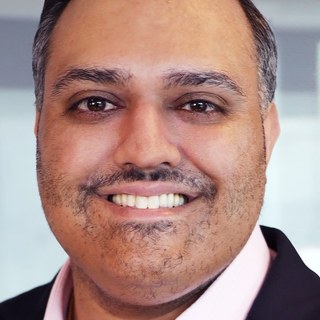
Sunak turned a post-acquisition contract headache into an AI contract lifecycle company for in-house legal teams.

Tan founded Sift in Y Combinator's Summer 2011 batch to stop online fraud with machine learning, ran it as CEO for nearly a decade, then moved to executive chairman so he could get back to inventing product.

Wenchel deployed AI for credit and fraud decisions at Capital One with no way to watch it in production, and started Arthur to give companies that view.

Zastrow is building his own case law dataset so Midpage can compete with Westlaw and Lexis without depending on them, and other legal AI companies already license that data.

Zilberman is building Chamelio so agents handle the routine legal work of in-house teams, from contract review to approvals, while lawyers keep the calls that need judgment.
Venture investors32 investors

He founded the Israel Defense Forces' satellite intelligence unit and later served as Amdocs's CTO, and now invests in deep tech at Entrée.

Elevation's founder wants to build the firm Indian founders pick first for decades, and now backs companies later in their journey.

He walks into founder meetings without a fixed thesis, looking for customer-obsessed founders in Indian consumer tech, SaaS and AI.

He backs software teams that learn fast from customers, the trait he cited when Entrée led Chamelio's Series A.

He co-founded DCVC on the bet that systems thinking from environmental science plus deep tech can tackle urgent real-world problems, and still invests on it.

He led acquisitions and strategic investments at Google Cloud, and now backs AI infrastructure and vertical software from Lambda to Nango.

Mayfield's managing partner treats company building as a marathon, and is steering the firm's AI investing from a company's first day.

She backs AI-first business applications from Jasper to Tennr, and has taken the case for AI in the enterprise to the TED stage.

He aims to be the first investor behind generational companies, the pattern behind his leads in monday.com, Riskified and Stripe.

A founder before he was an investor, he now backs European AI infrastructure such as Deepslate's voice models and Kontext's agent security.

An early investor in Databricks, Turing and Arize, he works with technical founders on finding product-market fit and growing into CEOs.

He backs AI that developers can build into real software, as in DCVC's lead on TypeSafe AI's seed round.

A deep tech founder at 24, he now runs Xora's investing and its venture lab, backing AI infrastructure such as Celestial AI and HyperLight.

He grew New York City's enterprise tech meetup into a community of more than 10,000 and backs AI, developer tool and infrastructure founders at seed.

She leads Work-Bench's SaaS investing and built the #womenterprise community for women in enterprise tech.

He leads Hetz's cyber investing and has argued that the next Israeli cyber unicorn will be agentic.
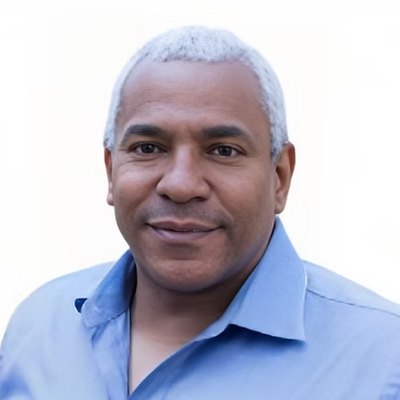
He built Non Sibi's AI strategy around industrial markets, and backed Satlyt because its business grows with every satellite launched.

He ran Seagate Technology through two long stints as chief executive, and brings that infrastructure operating record to Crosspoint's security investing.

A lawyer turned operator, he ran legal, finance and staff work at the four companies Greg Clark led before they started Crosspoint together.

He went from eCircle's venture investor to its CFO, and brings that operator's view of scaling SaaS companies to 42CAP's seed rounds.

He has been building technology since 1983, and steers DCVC's deep tech bets from quantum computing to applied AI.

He built monday.com's global revenue organization through its IPO, and now brings that go-to-market experience to Entrée's founders.

He bets on outsider founders taking first-principles swings at AI compute, and led seed rounds for Etched and TeRAM.

A self-taught engineer who was among Facebook's first, he backs AI developer tools such as Mastra, Linkup and Photon at the earliest stage.
No founders match that search.