
Home / Founders / Directory / Trust, legal & compliance
Trust, Legal & Compliance Founders
Profiles of the 42 founders building AI for compliance, contracts, patents, risk and safety, listed A–Z by last name.
42 founders

Ahilan runs research at Solve Intelligence, the AI patent-drafting company, and his writing argues that the interface, citations, and attorney control around a model decide whether patent software is useful.

Ahmed spent years building AI voice cloning at Resemble AI and turned what he learned about how synthetic speech is made into a detector for deepfake audio, video and images, including inside live calls.

Arvela is building IPRally so patent searchers can find prior art by meaning, using graphs of how inventions work instead of keyword strings.

Bijapur built SpotDraft so contract work can feel as automated as the rest of modern software for legal and ops teams.

Block built Stilta to give patent litigators agent swarms that search prior art at machine scale while every claim still cites a source.

Bouchard is trying to give every online platform the kind of trust and safety tools that only the largest tech companies could once afford, a goal that new rules such as the EU Digital Services Act have made urgent.
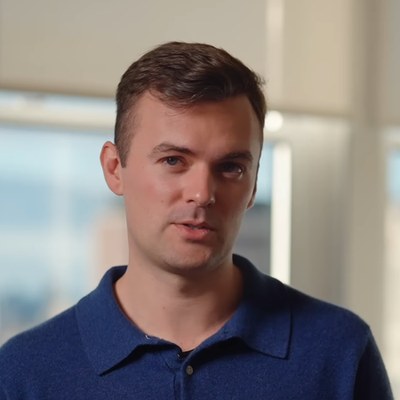
Brook wants privacy and AI rules written into the systems that handle data, so companies enforce them automatically instead of tracking them in policy documents.

Carroll left intelligence-community data fusion work with a hard lesson: sharing sensitive data safely was slower than collecting it, so he built Immuta to automate cloud data access without handing analysts a free-for-all.

Cavalli co-founded Sensity AI in 2018 on the bet that deepfakes would become a real emergency once anyone could make them with a prompt. He says many of the generative startups that told him in 2019 that detection was doomed have since shut down or pivoted into detection themselves.
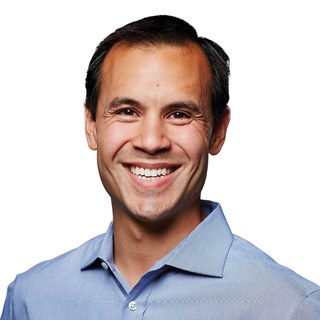
Chau arrived in California from Belgium at 17 without English, graduated from Berkeley with a 4.0, spent years as a venture capitalist, and now runs Paxton, an AI legal research and drafting tool built for small and mid-sized firms.

Choudhury turned stalled SOC 2 sales calls into Scrut, a mid-market compliance automation platform that collects evidence across many frameworks at once.

Christiaens co-founded Collibra out of a Brussels university lab and has since run its operations, then its technology, and now its own data office. He spends much of his time explaining to customers and partners how to treat data as an asset the whole company shares.

Colman saw voice authentication systems mistake computer-generated voices for real ones while at Goldman Sachs, and he now runs Reality Defender, which detects deepfakes on live calls and meetings.
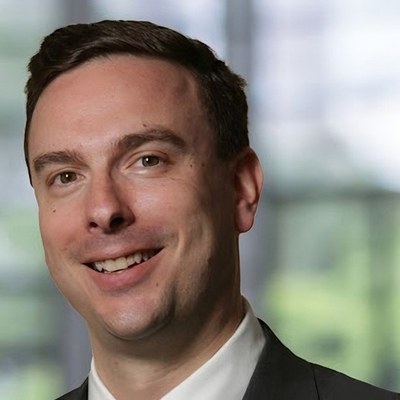
Dambrot saw KPMG’s largest clients deploying AI systems that nobody was securing, and built Cranium to find those systems and protect them.
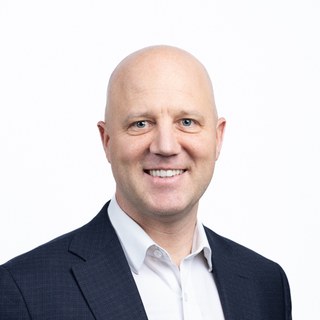
Doble left law firm practice after less than a year to start Alexi in 2017 and has spent nearly a decade building AI that writes research memos and handles litigation work for lawyers in Canada and the US.
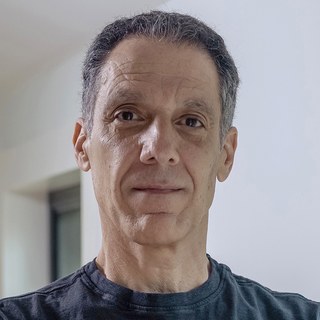
Farid has studied doctored and AI-generated images for more than two decades, and his forensic methods underpin GetReal Security, which helps enterprises catch deepfake impersonation.

Foley co-founded ModelOp after watching Fortune 500 teams get good at building models and stay weak at owning, governing and auditing them once they reached production.
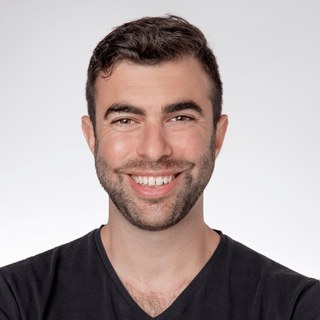
Galis turned the audit pile he saw at EY into Scytale, so startups can run security compliance as ongoing software instead of a quarterly fire drill.

Ganesan turned the Apache Ranger access-control work from his first startup into Privacera so enterprises can govern data across clouds the same way they once secured Hadoop alone.
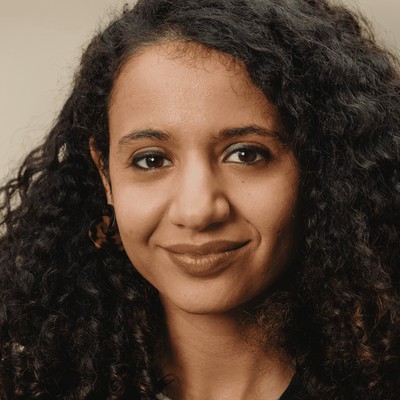
Gharbi believes intellectual property should be a strategic asset for companies, not a cost center, and she leads the technology behind Ankar's AI patent platform.
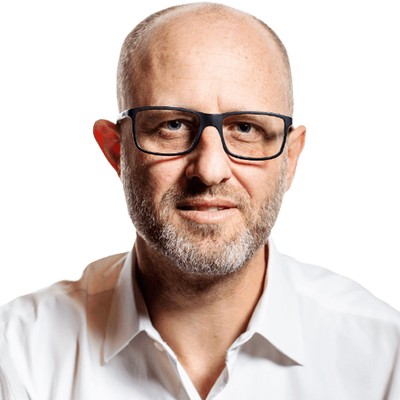
Gilbert believes the companies that treat privacy as a basic right will become the next wave of trusted brands, and he built Osano to make that kind of compliance simple enough for any business to do.
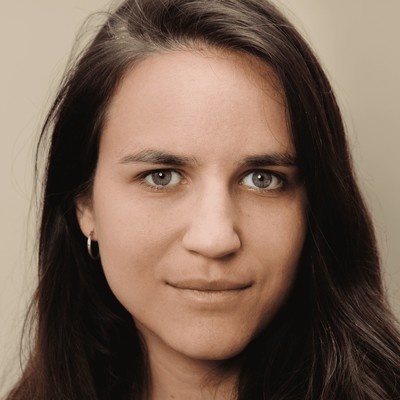
Gomez is trying to cut the years it takes to turn an inventor's idea into a granted patent, and Ankar already counts L'Oréal and the law firm Vorys among its customers.
Kierce spent nearly a decade applying AI to government policy at FiscalNote, and he now runs Trustible, which helps large companies inventory, review and approve their AI projects under new rules.

Kotkas wants proving who you are online to be as reliable as showing a passport at a bank counter, so businesses can trust the person on the other side of the screen.

Kulkarni built HyperStart so mid-market legal teams can get AI contract work without enterprise bloat.

Leduc is building DeepIP so patent attorneys can draft applications and answer office actions with AI inside Word, the document they already work in.

Lee is building one AI platform for the whole patent lifecycle, after a decade in venture watching IP attorneys stitch together disconnected tools.

Mabey wants business teams to handle routine contracts themselves, with AI agents following rules the legal team sets, so lawyers can spend their time on judgment.
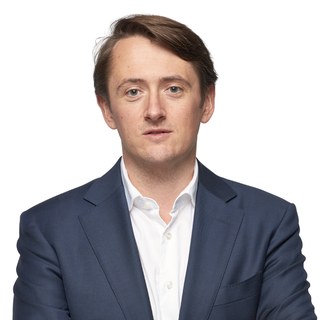
Van de Maele was a semantic web researcher in Brussels when he co-founded Collibra in 2008. As its CEO ever since, he has built it into a data governance software company that Gartner rates as a leader, and he now pitches it as a way for companies to govern their AI as well as their data.

Mehta wants a small startup to earn the security certifications big customers demand in weeks, without hiring a compliance team first.

Parsonson is building AI tools made for patent attorneys, betting that patent work needs software that understands both the technology and the law.

Patrini trained his first deepfake detector as a postdoctoral researcher in Amsterdam in 2018 and now runs Sensity AI, a profitable detection company whose forensic tools are deployed in more than 30 countries.

Raghavan is trying to make mission-critical AI refuse an answer when it cannot prove the rules still hold.

Redekar wants continuous compliance monitoring to replace the once-a-year evidence scramble for growing security teams.
Schafer is a former Paul, Weiss litigator and state appellate lawyer whose company, Clearbrief, links every fact in a legal brief to its source in the record from inside Microsoft Word.
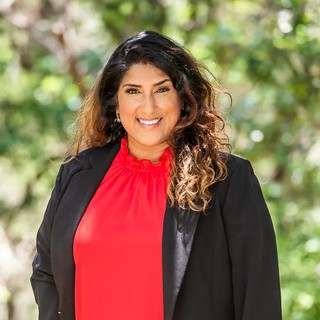
Singh built Credo AI so enterprises can run governable AI, with policy, inventory, and risk workflows on purpose.
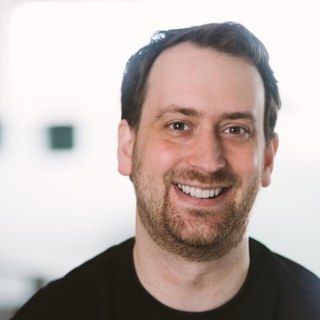
Stevenson watched legal fees eat half of his first startup's money, and Spellbook, the AI contract drafting and review tool he co-founded, is now used by thousands of law firms and in-house legal teams.
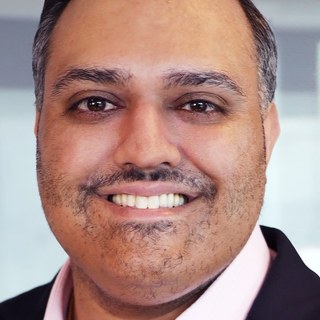
Sunak turned a post-acquisition contract headache into an AI contract lifecycle company for in-house legal teams.

Tan founded Sift in Y Combinator's Summer 2011 batch to stop online fraud with machine learning, ran it as CEO for nearly a decade, then moved to executive chairman so he could get back to inventing product.
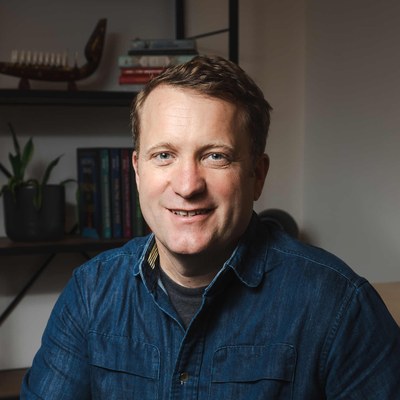
Wenchel deployed AI for credit and fraud decisions at Capital One with no way to watch it in production, and started Arthur to give companies that view.

Zastrow is building his own case law dataset so Midpage can compete with Westlaw and Lexis without depending on them, and other legal AI companies already license that data.
Zilberman is building Chamelio so agents handle the routine legal work of in-house teams, from contract review to approvals, while lawyers keep the calls that need judgment.
No founders match that search.