
Home / Founders / Directory / AI infrastructure
AI Infrastructure Founders
Profiles of the 28 founders building the compute, clouds, on-device runtimes and inference systems that AI runs on, listed A–Z by last name.
28 founders
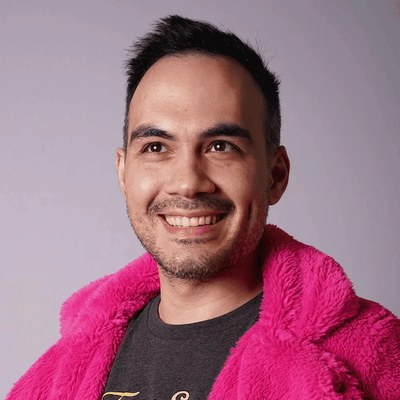
Almeida is training AI models whose answers go to software, each with a confidence score that tells the program when to act on its own and when to hand the case to a person.

Balaban has spent more than a decade turning deep-learning workstations into a full AI cloud for teams that want GPUs without hyperscaler lock-in.
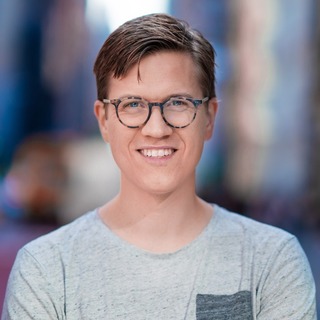
Bernhardsson built Modal so developers can run GPU jobs in the cloud without first becoming infrastructure specialists.
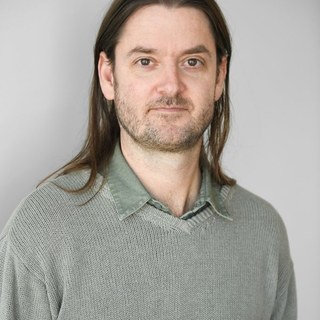
Cannell argued years before the deep learning boom that intelligence comes down to compute, and he co-founded Vast.ai to rent out the world's idle GPUs so that control of AI computing power stays spread across many hands.

Chun built FriendliAI as an inference runtime that makes serving models cheaper and faster without selling a GPU cloud.
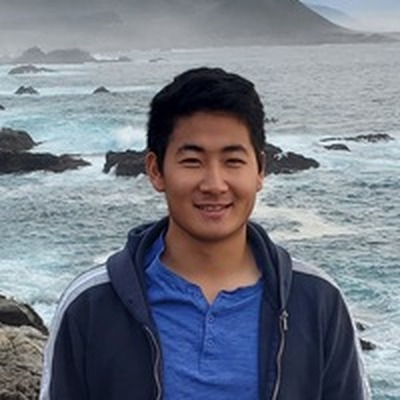
Ding is the systems co-founder turning multi-cloud GPU supply into one API and console that AI teams can operate day to day.

Eriksen started Asetek in Aalborg, Denmark, in 1997 with a compressor-cooled CPU chiller and went on to build the sealed all-in-one liquid cooler, selling more than 10 million of them. He still runs the company, which now sells its cooling know-how to AI data centers under a new Chinese owner.

Firshman built Replicate so open-source machine learning models are as easy to run as ordinary software containers.

Goode is building Shadeform so AI teams can run GPU workloads across many clouds from one control plane instead of juggling separate provider accounts.

Hawkins already built and sold a British network and data center company, and at CUDO he is betting that enterprises want AI clusters delivered with power, sites and round-the-clock operations already arranged.
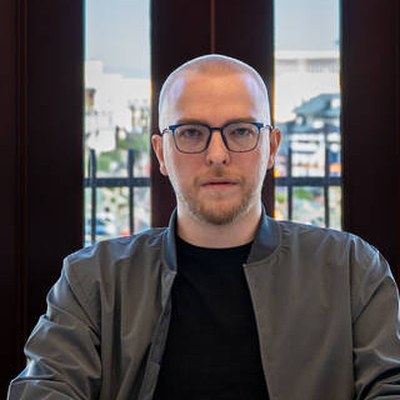
Horton is betting that a GPU cloud built only on AMD chips can give AI companies a second large source of computing power beside Nvidia.
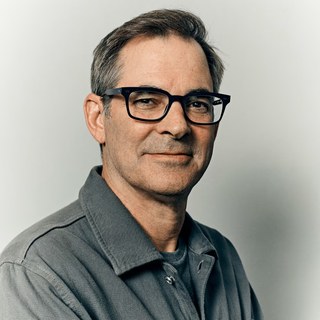
Intrator turned a crypto-era GPU fleet into a purpose-built AI cloud that now sits under many of the largest training and inference workloads.

As a graduate student Jo led the build of what he calls Korea's first GPU supercomputer, made from gaming cards, and at Moreh he is writing the software that lets AI models train and run on AMD, Tenstorrent and other accelerators.
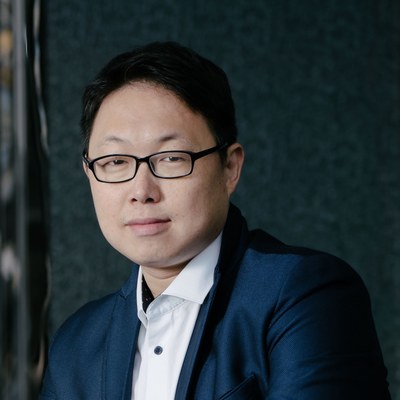
Liu has argued for a decade that AI inference belongs on local chips in cars, PCs and factories, and Kneron designs the neural processors to run it there.

Louis is building the GPU infrastructure he wished he had at his last startup, so small teams can ship real-time voice and video AI.

Lu built RunPod so builders can get on-demand GPUs without first learning hyperscaler complexity.

Del Maffeo is trying to build a European chip company that sells AI processors for devices worldwide and stays independent long enough to go public.

Mai is trying to make humanoid hardware feel more like Android: modular bodies developers can ship, while others compete on the brain.

Mernit is building an open-source, self-hostable alternative for running AI workloads on GPUs without managing servers.

Pope ran data centers from his teenage bedroom onward and co-founded Submer on the bet that GPU-dense racks would outgrow air cooling, a bet now carrying the company into liquid-cooled AI data centers of its own.

Prakash built Together AI so GPU access and open models are as practical for builders as proprietary APIs have been for years.
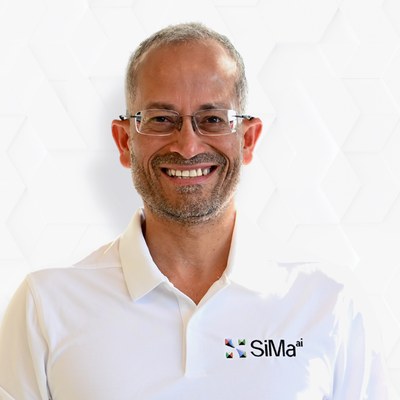
Rangasayee spent two decades watching machine learning advance in the cloud while embedded devices lagged, and built SiMa.ai to bring it to robots, drones and cars.
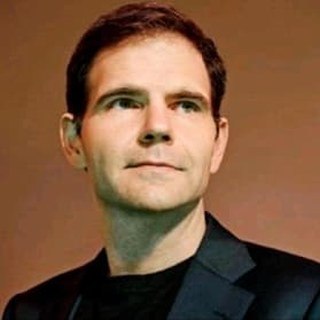
Ross took the lessons from Google's first TPU into a company aimed at making language-model inference radically faster and cheaper.

Sheth started d-Matrix in 2019 on the bet that running AI models would become a bigger computing job than training them, and built chips for that work.
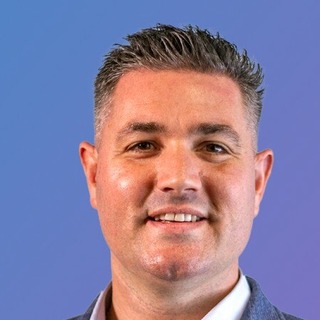
Starkey co-founded NexGen Cloud to sell European-owned GPU capacity, and Hyperstack is the self-serve face of that bet for teams that want on-demand training and inference without a U.S.-only cloud.
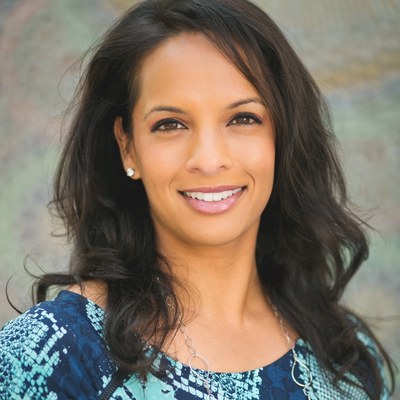
She wrote one of the earliest institutional checks into Groq, then left Khosla to run Axiom as a solo GP making the same early, contrarian AI bets.

Volozh is rebuilding an international AI cloud from the non-Russian remains of Yandex, staking Nebius on large-scale GPU infrastructure.
Wang is trying to make the keyboard itself the agent surface, so mobile work stops detouring through yet another chat app.
No founders match that search.